
RTV (Room Temperature Vulcanizing) silicone is widely used as a sealant and adhesive in automotive, industrial, and household applications. It is valued for its flexibility, temperature resistance, and long-term durability. However, despite its versatility, RTV silicone does not bond well to every surface. Understanding its limitations is essential for achieving reliable sealing and adhesion.
Materials RTV Silicone Does Not Stick To Well
1. Polyethylene (PE) and Polypropylene (PP)
RTV silicone has very poor adhesion to low-surface-energy plastics such as polyethylene and polypropylene. These materials are chemically inert and resist bonding, causing silicone to peel or separate easily over time.
2. PTFE (Teflon®)
PTFE is specifically designed to be non-stick. RTV silicone cannot form a chemical or mechanical bond with it, making adhesion nearly impossible without specialized surface treatments.
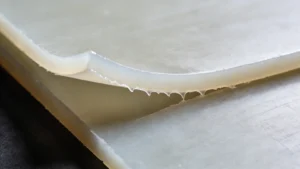
3. Silicone Rubber
RTV silicone generally does not adhere well to cured silicone rubber. Since both materials share similar chemical properties, the new silicone cannot properly bond to the already cured surface.
4. Oily or Greasy Surfaces
Any surface contaminated with oil, grease, wax, or release agents will prevent RTV silicone from bonding. Even small residues can significantly reduce adhesion and cause seal failure.
5. Dusty, Chalky, or Loose Surfaces
RTV silicone requires a clean, solid substrate. Dust, oxidation, rust, or loose paint layers will interfere with adhesion and lead to premature peeling.
6. Certain Treated or Coated Surfaces
Surfaces treated with anti-stick coatings, fluoropolymer finishes, or some powder coatings may resist RTV silicone adhesion unless properly abraded or primed.
Why RTV Silicone Fails to Bond to These Materials
RTV silicone relies on surface energy and mechanical grip to adhere. Materials with low surface energy or chemical resistance prevent the silicone from wetting and anchoring to the surface. Contaminants act as barriers, stopping direct contact between the sealant and the substrate.
How to Improve RTV Silicone Adhesion
If bonding to a difficult surface is unavoidable, the following methods may help:
-
Thorough cleaning with isopropyl alcohol or a suitable degreaser
-
Light sanding or abrasion to increase surface roughness
-
Use of a silicone primer designed for low-energy substrates
-
Selecting a specialized adhesive instead of standard RTV silicone
Common Materials RTV Silicone Bonds Well To
For best results, RTV silicone works well on:
-
Glass and ceramics
-
Aluminum and stainless steel
-
Painted metal surfaces
-
Most rigid plastics (excluding PE, PP, and PTFE)
Final Thoughts
RTV silicone is an excellent sealant, but it is not a universal adhesive. Knowing what RTV silicone will not stick to—such as PE, PP, PTFE, silicone rubber, and contaminated surfaces—can prevent leaks, bond failure, and costly rework. Proper surface preparation and material selection are key to long-lasting performance.