Cold weld epoxy is a two-part adhesive system designed to permanently bond metals and other rigid materials without the need for heat, welding equipment, or specialized tools. Despite the name, it does not involve actual welding. Instead, it creates a strong chemical bond that mimics the strength and durability of a welded joint once fully cured.
Cold weld epoxy typically consists of a resin and a hardener. When mixed together, they trigger a chemical reaction that allows the epoxy to harden and adhere tightly to surfaces. This process occurs at room temperature, making it ideal for repairs in situations where traditional welding is impractical or impossible.
How Cold Weld Epoxy Works
Once applied to clean, roughened surfaces, cold weld epoxy flows into microscopic gaps and irregularities. As it cures, it forms a rigid structure that locks the materials together. Many formulations are engineered to resist vibration, moisture, chemicals, and high temperatures, which is why they are commonly used in demanding industrial and automotive environments.
After curing, cold weld epoxy can often be drilled, sanded, tapped, or painted, allowing the repaired area to be finished just like the surrounding material.
Common Applications
Cold weld epoxy is widely used across multiple industries, including:
-
Repairing cracks or holes in metal parts
-
Bonding metal to metal, or metal to ceramics and plastics
-
Emergency repairs for pipes, tanks, and machinery
-
Automotive repairs such as engine blocks, radiators, and exhaust components
-
Maintenance work where welding equipment is unavailable
Because it requires minimal preparation and no heat, cold weld epoxy is especially useful for on-site repairs and maintenance tasks.
Advantages of Cold Weld Epoxy
One of the biggest advantages of cold weld epoxy is convenience. It eliminates the need for welding skills, electricity, or open flames. This makes it safer to use in confined spaces or hazardous environments. Additionally, it reduces downtime, as repairs can often be completed quickly and returned to service after curing.
Another key benefit is versatility. Cold weld epoxy can bond a wide range of materials and is suitable for both temporary fixes and long-term repairs, depending on the formulation used.
Choosing the Right Cold Weld Epoxy
When selecting a cold weld epoxy, it’s important to consider factors such as curing time, temperature resistance, chemical exposure, and the materials being bonded. Industrial-grade products are designed to meet higher strength and durability requirements, making them more suitable for professional and commercial use.
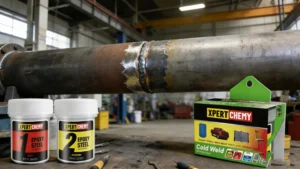
We offer XPERTCHEMY® Cold Welding Epoxy for wholesale supply, formulated for strong, reliable bonding in industrial and repair applications—contact us to get a competitive quote and product details.
Final Thoughts
Cold weld epoxy is a practical and efficient alternative to traditional welding for many repair and bonding tasks. With proper surface preparation and the right product choice, it can deliver durable, long-lasting results while saving time, cost, and effort.