Car touch-up pens are a convenient solution for repairing small scratches, stone chips, and paint imperfections. However, not all touch-up pens are made the same. One of the most important distinctions is whether the paint is water-based or solvent-based. Understanding the differences can help you choose the safer and more effective option for your needs.
What Are Water-Based Car Touch-Up Pens?
Water-based touch-up pens use water as the primary carrier for pigments. These formulations are commonly used in modern automotive refinishing due to environmental and safety regulations.
Advantages of water-based touch-up pens:
-
Low odor and minimal VOC emissions
-
Safer for indoor use and DIY applications
-
Easier cleanup with water
-
Reduced health and environmental impact
Limitations:
-
Slightly longer drying time
-
May require a clear coat for optimal durability
-
Performance can be affected by humidity
Water-based systems are ideal for users who prioritize safety, ease of use, and compliance with environmental standards.
What Are Solvent-Based Car Touch-Up Pens?
Solvent-based touch-up pens rely on chemical solvents to carry the paint pigments. These have traditionally been favored for their strong adhesion and fast drying properties.
Advantages of solvent-based touch-up pens:
-
Faster drying time
-
Strong adhesion to metal surfaces
-
Good resistance to weather and chemicals
Limitations:
-
Strong odor and higher VOC content
-
Greater health and safety concerns
-
Flammable and less eco-friendly
-
Requires careful handling and ventilation
Solvent-based pens are often chosen for professional or industrial use, where performance is prioritized over convenience.
Safety Comparison: Which Is Safer?
From a safety perspective, water-based touch-up pens are clearly safer. They emit fewer harmful fumes, reduce fire risk, and are more suitable for home users and enclosed environments. Solvent-based pens, while effective, require protective equipment and proper ventilation.
Performance Comparison: Which Works Better?
The “better” option depends on the application:
-
For DIY repairs, small scratches, and home garages, water-based pens offer excellent control and safety.
-
For quick repairs requiring strong bonding, solvent-based pens may have an advantage, especially in demanding conditions.
Advancements in water-based paint technology have significantly narrowed the performance gap, making them a practical choice for most car owners.
Which Should You Choose?
If safety, environmental responsibility, and ease of use matter most, water-based touch-up pens are the better option. If you need rapid drying and maximum durability and are experienced with chemical products, solvent-based pens may still be suitable.
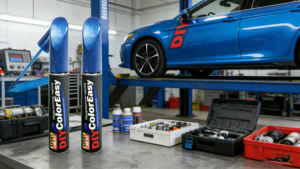
Modern solutions like the XPERTCHEMY® Touch-Up Paint Marker Pen are designed to balance safety, color accuracy, and reliable adhesion, making them a smart choice for everyday automotive touch-up applications.
Final Thoughts
Both water-based and solvent-based car touch-up pens have their place, but for most users, water-based options provide a safer and more user-friendly experience without sacrificing repair quality. Choosing the right type ensures better results, improved safety, and longer-lasting paint protection.