
Safety Depends on Product Qualification and Installation Quality
CPVC solvent cement can be suitable for potable water systems, but only when two conditions are met: the product is properly qualified for that use, and the installation is executed correctly. People often focus on chemistry labels alone, but real-world drinking-water safety also depends on cure time, flushing, and contamination control during assembly.
What to Verify Before Purchase
For buyers and project teams, do not rely on generic claims like “plumbing grade.” Verify specific product documentation relevant to potable use and temperature range. In procurement workflows, these checks reduce compliance risk:
- application scope for potable water systems,
- relevant certification or listing details for intended markets,
- technical data sheet with service temperature and size range,
- batch traceability and manufacturing consistency.
A qualified product with poor paperwork can still become a project headache during inspections or customer audits.
Installation Practices That Protect Water Quality
Even certified materials can lead to complaints if installation practices are careless. Most odor/taste concerns after new work are linked to process errors, not necessarily to inherent material safety.
Pay attention to these basics:
- Keep pipe and fitting ends clean and dry before assembly.
- Use appropriate cement quantity; avoid excess puddling inside the pipe.
- Respect set and cure windows before putting lines into regular use.
- Flush lines properly after cure and before handover.
This sequence helps minimize residual solvent concerns and improves customer confidence on startup day.
Hot Water Service Is Where Selection Mistakes Become Visible
Some teams underestimate how strongly hot water service exposes weak product choices. Temperature stress accelerates weaknesses in marginal joints. For that reason, product selection should align with both cold and hot service expectations, not only room-temperature handling convenience.
In commercial and multi-unit projects, this is especially important because one poor selection can multiply into many future callbacks.
How Facility Managers Should Audit Existing Work
If you inherited a building and are unsure about historical solvent-weld quality, a quick desktop review can prevent future failures:
- collect product records from original installers,
- confirm intended service temperatures match installed materials,
- inspect known stress points and high-heat routes,
- document repairs with standardized product controls moving forward.
Wholesale Supply Note for Project Buyers
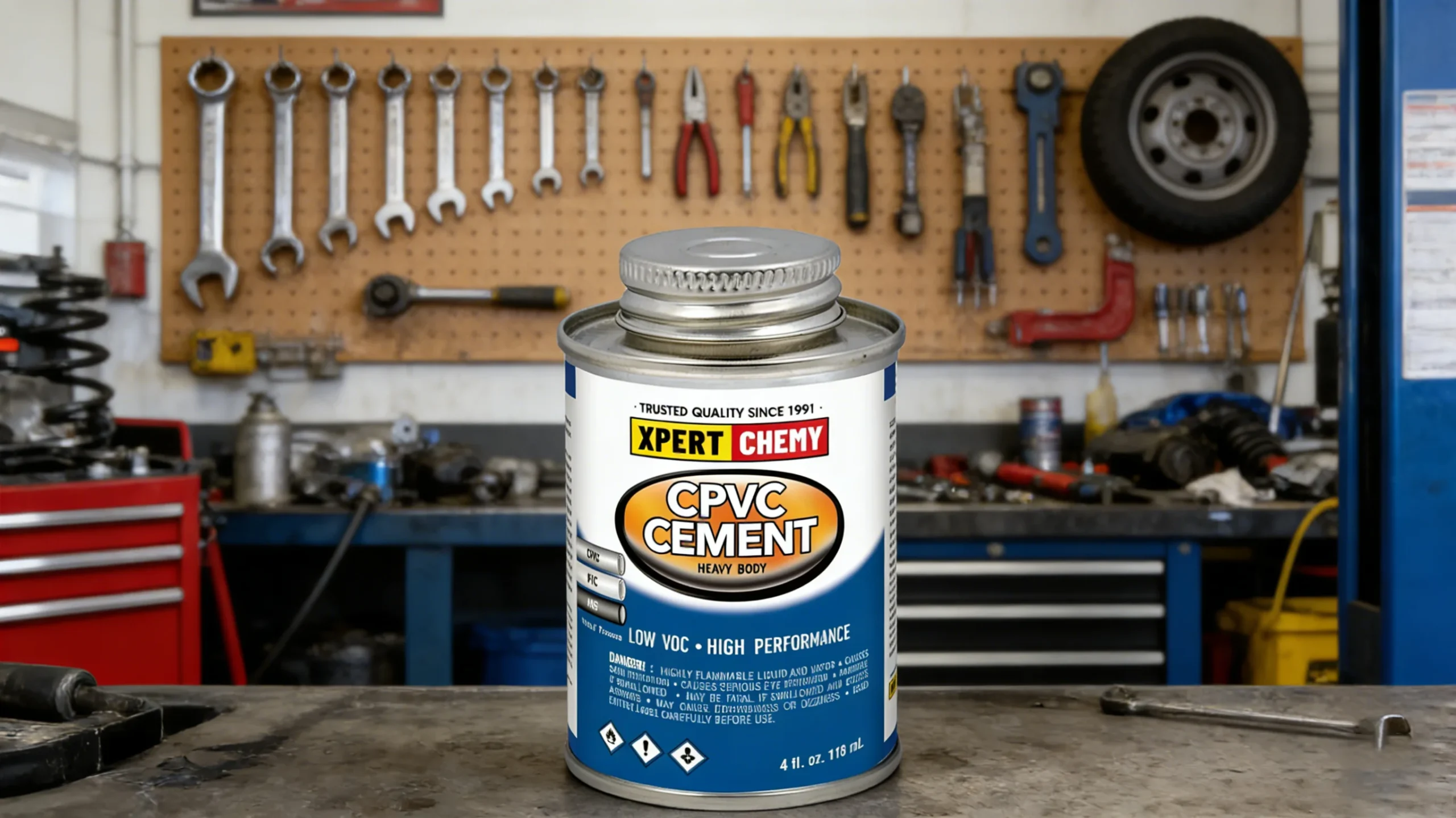
If your business serves contractors or plumbing distributors, consistent sourcing matters as much as technical performance. Xpertchemy Heavy Bodied CPVC Cement 118ml is available for wholesale purchasing, helping teams standardize product training and reduce installation variability across jobs.
For repeated project delivery, standardized material supply often improves quality outcomes more than any single troubleshooting action.
Final Perspective
So, is CPVC solvent cement safe for drinking water lines? It can be, when you choose the right qualified product and execute the installation correctly. Safety is not one checkbox; it is the combination of specification, workmanship, and commissioning discipline.