
Alloy wheels add both style and performance to a vehicle, but they are also exposed to daily wear. Curbs, road debris, corrosion, and weather conditions can leave scratches, scuffs, or even small cracks on the surface. While severe structural damage should always be handled by professionals, many common alloy wheel issues can be repaired effectively at home with the right approach.
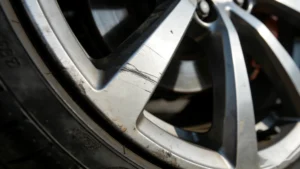
Step 1: Assess the Damage Carefully
Before starting any repair, inspect the wheel thoroughly. Light curb rash, surface scratches, paint peeling, and minor corrosion are generally suitable for DIY repair. However, if you notice deep cracks, bends, or air leaks, it’s safer to seek professional wheel refurbishment, as structural integrity is critical for driving safety.
Step 2: Clean the Wheel Thoroughly
Proper cleaning is essential for a lasting repair. Use a dedicated wheel cleaner to remove brake dust, grease, and road grime. Rinse well and allow the wheel to dry completely. Any dirt left behind can prevent repair materials from bonding correctly.
Step 3: Sand the Damaged Area
Use fine-grit sandpaper to smooth out scratches and scuffed edges. Start with a slightly coarser grit if the damage is noticeable, then gradually move to finer sandpaper to achieve an even surface. The goal is to blend the damaged area seamlessly with the surrounding metal.
Step 4: Apply Filler if Needed
For deeper scratches or small chips, a metal or alloy filler may be required. Apply it in thin layers, allowing each layer to cure properly before sanding again. This step restores the wheel’s original shape and ensures a smooth finish after painting.
Step 5: Prime and Repaint
Once the surface is smooth, apply a suitable primer designed for alloy wheels. After the primer dries, spray matching wheel paint in light, even coats. Take your time—rushing this step often leads to uneven color or drips. Finish with a clear coat to protect the surface and restore shine.
Step 6: Allow Proper Curing
Let the wheel cure fully before reinstalling or driving. Proper curing improves durability and helps the repair resist future wear, heat, and moisture.
Choosing the Right Repair Solution
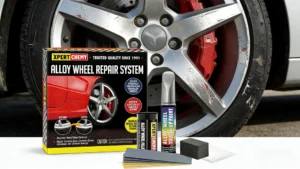
Using a complete, purpose-built repair kit can simplify the process and improve results. For workshops, resellers, or car care businesses looking for reliable solutions, Xpertchemy® Alloy Wheel Repair Kit offers a practical all-in-one option, and we supply this product in wholesale quantities directly through our website for professional and commercial use.
Final Thoughts
Repairing alloy wheels not only improves your car’s appearance but can also extend the life of your wheels and protect resale value. With patience, proper preparation, and the right materials, many common alloy wheel issues can be resolved efficiently without costly replacements.