Welding is not always practical when repairing metal surfaces. It requires specialized equipment, skilled labor, and in many cases, disassembly or heat control that simply isn’t possible on site. For cracks, leaks, stripped threads, or surface damage, cold epoxy putty offers a reliable, no-heat alternative that both professionals and DIY users increasingly rely on.
What Is Cold Epoxy Putty?
Cold epoxy putty—often referred to as cold welding epoxy—is a two-part adhesive compound that hardens through a chemical reaction rather than heat. Once cured, it forms a rigid, metal-like bond that can be drilled, sanded, tapped, or painted.
It adheres well to most metals, including steel, aluminum, iron, copper, and brass, making it ideal for quick structural or cosmetic repairs.
When Cold Epoxy Is a Better Choice Than Welding
Cold epoxy putty is especially useful in situations where welding is impractical or risky, such as:
-
Repairing thin or heat-sensitive metal
-
Fixing pipes, tanks, or housings without draining systems
-
Restoring damaged threads or filling corrosion pits
-
On-site maintenance where welding equipment is unavailable
Because it cures at room temperature, there’s no risk of warping or weakening surrounding material.
Step-by-Step Tips for Effective Metal Repairs
1. Prepare the Surface Properly
Surface preparation is critical. Remove grease, oil, rust, and loose debris using a degreaser and abrasive paper. A slightly roughened surface improves mechanical bonding.
2. Mix the Putty Thoroughly
Cut or pinch equal parts of the epoxy components and knead until the color is uniform. Incomplete mixing can lead to weak spots or uneven curing.
3. Apply Firmly and Shape Quickly
Press the putty firmly into cracks or damaged areas to eliminate air pockets. Shape it before it begins to harden—most cold epoxy putties have a limited working time.
4. Allow Full Cure Time
While some products harden within minutes, full mechanical strength typically develops after several hours. Avoid sanding, drilling, or loading the repair too early.
5. Finish as Needed
Once cured, the repaired area can be machined, filed, or painted to match the surrounding surface.
Common Applications
-
Emergency pipe and valve repairs
-
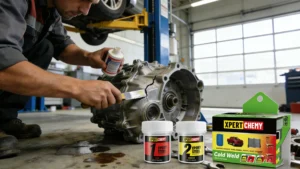
Engine block and gearbox restoration
-
Industrial equipment maintenance
-
Automotive and marine metal repairs
Cold epoxy putty is widely used in maintenance, repair, and operations (MRO) environments where downtime must be minimized.
Choosing the Right Product
Not all cold welding epoxies are the same. Factors such as temperature resistance, chemical exposure, curing speed, and compressive strength should be considered based on your application.
For distributors and industrial buyers, we provide XPERTCHEMY® Cold Welding Epoxy for wholesale supply, offering consistent quality for metal repair applications—contact us to discuss pricing and bulk availability.
Final Thoughts
Cold epoxy putty is a practical, cost-effective solution for metal repairs when welding isn’t an option. With proper surface preparation and correct application, it can restore strength, seal leaks, and extend the service life of metal components—all without heat, sparks, or heavy equipment.
Used correctly, it’s not just a temporary fix, but a dependable repair method trusted across industries.