
Introduction: The Timeless Question for Every Car Enthusiast
Carnauba wax, renowned as the “queen of waxes” for its unparalleled depth and durability on automotive paint, is a staple in the detailing world. But a critical question often goes unasked until it’s too late: does carnauba wax expire? The answer is a definitive yes. Unlike some synthetic sealants that boast indefinite stability, natural carnauba wax is an organic compound with a finite lifespan. Understanding its shelf life, ideal storage conditions, and the telltale signs of degradation is essential for car owners, professional detailers, and distributors alike. Using expired wax not only yields poor results but can also introduce problems like hazing or difficult removal. This guide provides a practical, trustworthy breakdown to help you manage your wax inventory and ensure peak performance every time you detail.
What is Carnauba Wax? A Primer on Its Nature
To understand why it expires, you must first understand what carnauba wax is. It is a natural vegetable wax harvested from the leaves of the Copernicia prunifera palm, native to Brazil. Its key characteristics—extreme hardness, high melting point (around 82-86°C or 180-187°F), and exceptional water repellency—make it ideal for automotive protection. However, these same organic properties make it susceptible to environmental factors over time. The wax is a complex mixture of esters, acids, and alcohols. Exposure to air, heat, and moisture can cause oxidation and hydrolysis, breaking down these compounds. This chemical shift alters the wax’s physical properties, transforming it from a glossy, workable paste into a brittle, ineffective, or even gummy substance. This fundamental truth applies to all forms: paste, liquid, and even carnauba-based hybrid sealants.
The Shelf Life of Carnauba Wax: Realistic Timeframes
There is no single, universal expiration date printed on a can. The shelf life depends heavily on formulation, packaging, and storage. Here is a realistic, evidence-based breakdown:
- Unopened, Factory-Sealed Containers: When stored in a cool, dark place, a properly formulated carnauba wax paste can remain stable for 3 to 5 years from the date of manufacture. The airtight packaging is the primary defense against oxidation.
- Opened Containers: Once opened, the clock starts ticking. Air (oxygen) is the primary enemy. An opened jar, if cared for, typically has a usable life of 12 to 24 months. The more frequently you open it and the more air it’s exposed to, the faster it degrades.
- Liquid Carnauba Waxes & Sprays: These have a shorter shelf life, often 6 to 18 months after opening, because the solvents and emulsifiers can separate or break down more quickly than the solid wax itself.
- “Best By” vs. “Expiration”: Many reputable brands include a “best by” or batch date. This is a quality guideline, not a hard safety cutoff. The wax may still be usable past this date if stored perfectly, but its performance characteristics (gloss, beading, durability) will likely be compromised.
Comparison: Factors That Influence Carnauba Wax Shelf Life
| Factor | Positive Impact (Extends Life) | Negative Impact (Shortens Life) |
|---|---|---|
| Temperature | Stored consistently below 25°C (77°F). Cool and stable. | Exposure to heat sources, garages in hot climates, or freezing/thawing cycles. |
| Air Exposure | Minimal, airtight seal. Use a clean tool to scoop wax. | Frequent opening, loose lid, or not removing the protective wax film on top. |
| Light/UV | Stored in a dark cupboard or opaque container. | Direct sunlight or strong artificial light, which accelerates oxidation. |
| Contamination | Using clean, dry applicators. Never double-dip. | Introducing water, dirt, or other chemicals into the jar. |
| Formulation | High-quality, pure carnauba with stabilizers. | Waxes with high solvent content or low-quality additives. |
Storage Best Practices: Maximizing Your Wax’s Viability
Proper storage is the single most important factor you can control. Follow these protocols, whether you’re a home detailer or a warehouse manager:
- The Cool, Dark, and Dry Rule: Store wax in a location with a stable, cool temperature (ideally 15-20°C or 59-68°F) and low humidity. A basement storage room or a dedicated cabinet away from windows is ideal. Avoid garages and sheds where temperatures fluctuate wildly.
- Minimize Air Contact: Always ensure the lid is screwed on tightly immediately after use. For paste wax, after each use, smooth the surface with the back of a clean spoon or applicator to create a sealed, flat layer. This reduces the surface area exposed to air. Some pros even place a small piece of parchment paper directly on the wax surface before sealing the lid.
- Avoid Contamination: Never use your fingers or a dirty cloth to scoop wax. Always use a dedicated, clean plastic or wooden applicator. Introducing moisture or particulates is a fast track to spoilage.
- Original Container is Best: Do not transfer wax to a different container unless it is absolutely airtight and opaque. The original packaging is designed for the product.
- For Distributors & Wholesale Buyers: Inventory should be stored in a climate-controlled warehouse. Practice first-in, first-out (FIFO) rotation. Do not store wax pallets directly on concrete floors; use pallets to allow for air circulation.
Performance Warning Signs: Has Your Wax Gone Bad?
Expired carnauba wax won’t suddenly become toxic, but it will fail to perform and can even harm your finish. Here are the definitive signs to look for during your pre-application inspection:
- Texture Changes:
- Dry & Brittle: The wax has lost its plasticizers and oils. It will crumble or powder instead of smoothing onto the paint. It will be very difficult to work with and will provide almost no protection or gloss.
- Excessively Soft or Gummy: This indicates hydrolysis or solvent evaporation from a compromised formula. It will be sticky, smear easily, and attract dust and debris immediately after application. It will never cure to a hard, slick finish.
- Separation: You see a clear liquid (oil or solvent) pooling on top of the solid wax. This means the emulsion has broken. While sometimes it can be remixed, it often signifies irreversible instability.
- Color & Odor:
- Darkening: Fresh carnauba is typically a warm amber or golden yellow. A significant darkening to brown or orange can indicate oxidation.
- Off-Putting Smell: While carnauba has a distinct, slightly sweet, earthy odor, a sour, rancid, or “old paint” smell is a clear sign of degradation.
- Application & Curing Failure:
- Hazing or Cloudiness: After application and buffing, the paint appears hazy or lacks the deep, clear gloss. This is often due to incomplete drying from a broken-down formula.
- Poor Beading: The hallmark of a good wax is strong, tight water beading. If water sheets off or forms large, flat droplets, the hydrophobic properties have failed.
- Difficult Removal: The wax feels gummy or sticky during the buff-off stage, requiring excessive pressure and leaving residue. This is a major red flag.
If you observe any of these signs, especially texture changes and hazing, dispose of the wax. The risk of a poor finish and additional labor to remove the flawed layer outweighs the cost of a new jar.
The Professional’s Perspective: A Note for Detailers & Distributors
For detailing studios, using expired product is a direct threat to your reputation. A single botched job from bad wax can undo months of goodwill. Implement a strict inventory audit system. Label jars with the “opened” date. For wholesale buyers and distributors, understanding shelf life is a critical part of inventory management. Ensure your supply chain moves quickly and that storage conditions meet manufacturer specifications. Educate your B2B clients on these best practices—it adds value and builds trust. When sourcing, always inquire about the manufacturing date and recommended storage guidelines from your supplier.
FAQ: Your Carnauba Wax Questions Answered
1. How can I tell the manufacturing date on a carnauba wax jar? Many quality brands print a batch or “born on” date on the bottom of the container or on the box. It may be in Julian date format (e.g., 23145 = 145th day of 2023) or a clear MM/DD/YYYY. If no date is present, contact the manufacturer with the lot number. For unmarked products, assume a standard shelf life from the date of your purchase. 2. Can I still use a carnauba wax that has separated (oil on top)? Often, you can. Carefully pour off or skim the separated oil. Then, thoroughly remix the remaining wax by kneading the jar in your hands (wear gloves) or stirring until it reaches a uniform consistency. Test a small area first. If the texture returns to normal and it applies/buffs correctly, it may be salvageable. If
Supplier Note
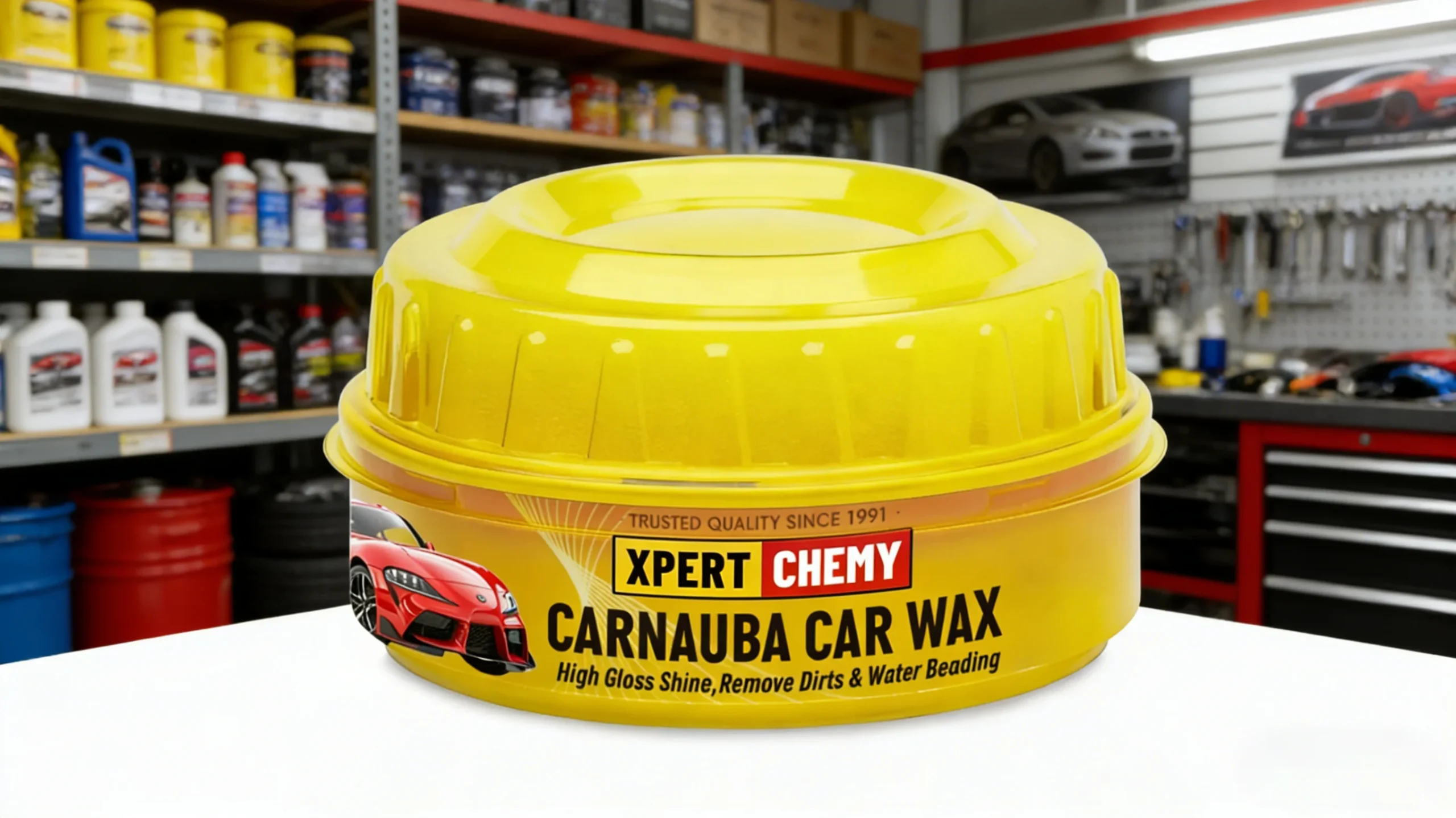
For businesses sourcing premium wax lines, XPERTCHEMY? Carnauba Car Wax Paste 300ml is available through stable wholesale supply for distributors and detailing channels. We also support OEM/ODM customization, including private label packaging and formula tuning for your target market. Internal resources: XPERTCHEMY? Carnauba Car Wax Paste 300ml, and XPERTCHEMY Blog.