
Transitions Are Where Good Projects Go Wrong
Many otherwise solid installations fail at one point: the material transition. CPVC-to-PVC joints sit at the intersection of compatibility, temperature duty, and installer assumptions. If you treat transitions as routine joints, you increase long-term failure risk.
Why Transition Joints Need Extra Attention
Transition points are vulnerable because they combine multiple variables at once:
- different material behavior under heat,
- possible differences in chemical response to cement systems,
- inconsistent field understanding of approved methods.
A transition that passes day-one checks can still become a reliability problem over time if method selection was weak.
Approved Method Mindset
The right approach is method-driven, not convenience-driven. For each transition, verify the approved joining approach for your specific materials and service conditions. In some systems, dedicated transition cement methods are used; in others, mechanical transitions are the safer route.
Always anchor the decision to manufacturer guidance and local requirements, not jobsite folklore.
Field Workflow That Reduces Rework
- Confirm material identity on both sides before prep.
- Select the transition method before opening cans.
- Prepare surfaces to full quality standard, no shortcuts.
- Control application and assembly timing carefully.
- Use conservative cure and startup timing at transition zones.
- Inspect and document transitions as separate quality points.
This workflow adds minutes, not hours, and prevents expensive repeat service.
Common Transition Errors
- using whichever cement is nearest without compatibility confirmation,
- assuming low-temperature commissioning means low long-term risk,
- rushing pressure introduction because nearby straight runs look good,
- failing to mark transition joints for post-startup inspection.
Procurement and Training Recommendations
Most transition failures are system failures, not individual mistakes. If procurement, training, and field supervision are aligned, transition quality improves quickly:
- standardize approved products and methods,
- issue short transition-specific work instructions,
- audit transition joints during commissioning.
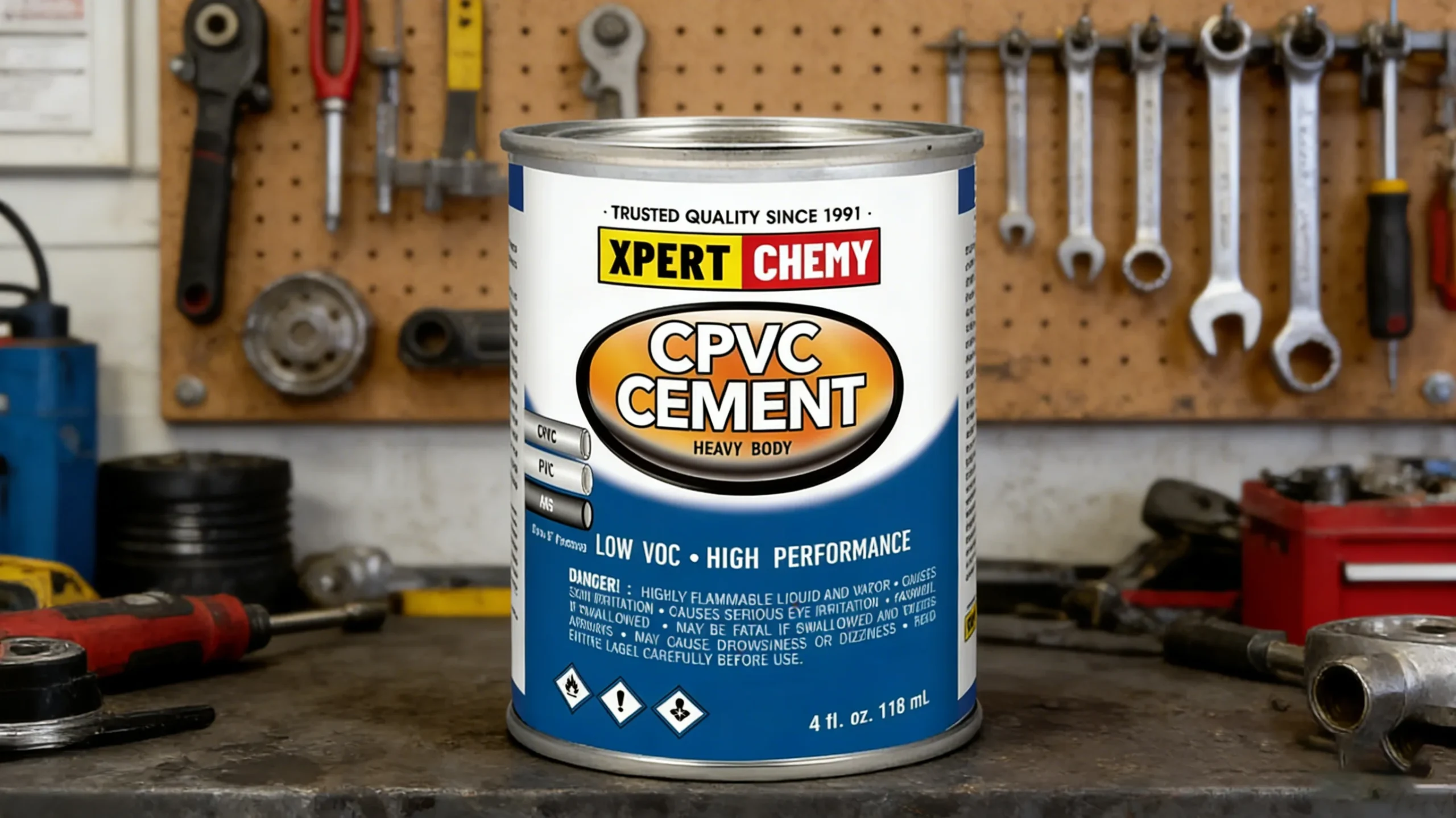
For teams that need repeatable CPVC supply for contractor projects, Xpertchemy Heavy Bodied CPVC Cement 118ml is available for wholesale purchasing and can support more consistent installation workflows across sites.
Final Take
Transition joints deserve disproportionate attention because they create disproportionate risk. If you decide method carefully, execute with discipline, and commission conservatively, you can cut a major source of callbacks.