
Below 10°C, Your Normal Rhythm Stops Working
Cold-weather CPVC installation is where many experienced installers get surprised. The same technique that works in warm conditions can become unreliable when temperatures drop. Solvent action slows, evaporation behavior changes, and joints that “usually pass” can start failing under pressure or thermal cycling.
The key is not panic. It is process adjustment. If you treat cold weather as a different operating mode, your leak risk drops quickly.
What Changes First in the Real World
- Set behavior slows down: the joint may look stable later than expected.
- Cure windows stretch: startup timing must be more conservative.
- Surface condition matters more: moisture and condensation become bigger enemies.
- Crew timing matters more: delays between application and insertion are less forgiving.
Pre-Job Cold Weather Checklist
Before the first joint, run this quick check:
- Confirm actual ambient and pipe temperature where work is happening, not just outdoor weather reports.
- Store cement and tools in a controlled area when possible.
- Inspect pipe surfaces for hidden moisture or condensation.
- Plan longer cure windows in the day schedule to avoid pressure-test conflicts.
Most winter failures are schedule failures disguised as material failures.
On-Joint Technique in Low Temperature
Cold weather rewards disciplined basics:
- prepare clean, square, deburred ends,
- apply cement evenly and assemble immediately,
- hold the joint to prevent push-out during early set,
- avoid moving or stressing new joints too soon.
Do not “add extra cement to compensate for cold” as a default habit. Overapplication can create its own problems. Better process control beats overcorrection.
Scheduling Rule: Protect Cure Time from Project Pressure
In winter, the biggest risk often comes from project pressure: “Can we test now?” “Can we turn this floor back on?” If cure time is compressed, even good joints can become callback candidates.
A useful site policy is to separate installation windows and pressurization windows clearly on the schedule. That simple management step prevents many premature startups.
Material Selection and Supply Stability
Cold weather is not the time to switch products unpredictably. Installers perform better when viscosity, set response, and handling profile are consistent from job to job.
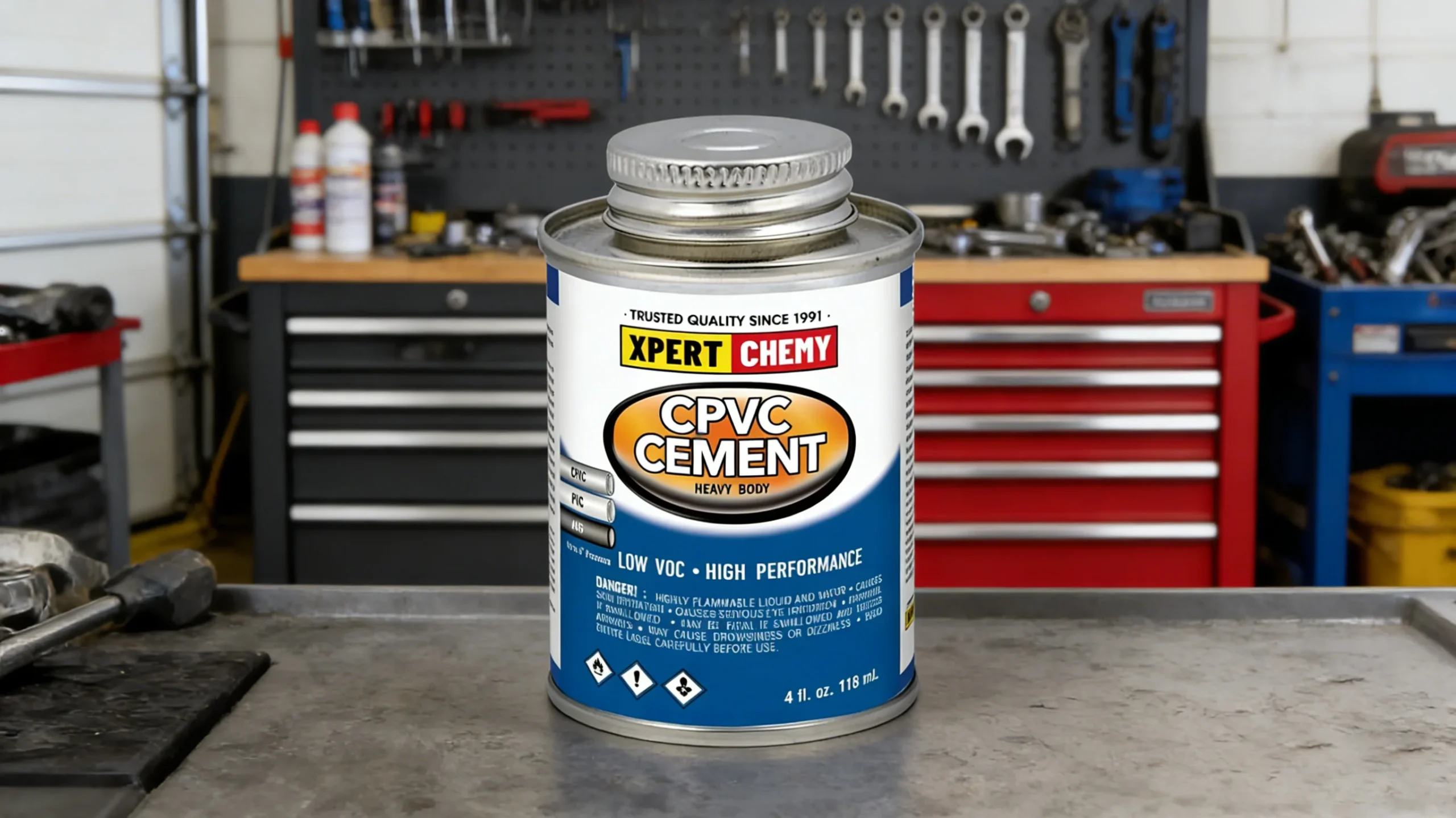
For teams sourcing at scale, Xpertchemy Heavy Bodied CPVC Cement 118ml is available for wholesale purchase, which helps standardize installation behavior across crews. Consistent supply can be a bigger quality gain than most people expect.
Final Takeaway
Below 10°C / 50°F, do not work faster to “beat the cold.” Work smarter to respect the chemistry. Cold-weather CPVC success comes from controlled prep, disciplined timing, and conservative cure management.