
Wet trenches, winter installs, and tight deadlines create the same question on almost every job: can PVC solvent cement still be used reliably in damp or cold conditions? The short answer is yes, but only when conditions are controlled and cure planning is adjusted. Without that control, joint failure risk increases quickly.
This guide focuses on practical decision rules installers can use before they commit to bonding.
Start by Defining the Condition Correctly
Many teams classify everything as “wet,” but site conditions are not equal:
- Light surface moisture/condensation: often manageable with proper prep.
- Active water seepage at joint area: high-risk condition for solvent welding.
- Cold pipe near freezing: slower fusion and longer cure required.
Correct classification is the first quality-control step.
What Cold Weather Actually Changes
Low temperature slows solvent action, increases viscosity behavior, and delays cure development. Even if the can is warm, a cold pipe wall can reduce weld quality if timing is not adjusted. The practical implication is simple: lower temperature means slower process and longer waiting windows.
Can You Bond on a Wet Surface?
Reliable solvent welding requires clean, prepared mating surfaces. A moisture film can interfere with proper interface formation, and active water flow can displace cement at assembly. If water cannot be controlled at the socket, stop and change method or sequence rather than gambling on rework later.
Field Procedure for Damp or Cold Conditions
- Store cement and tools in a moderate-temperature area before use.
- Cut square, deburr fully, and dry-fit before final prep.
- Wipe the joint area immediately before primer/cement application.
- Apply system components exactly as label and code require.
- Assemble promptly, hold position to prevent push-out, and avoid disturbance.
- Extend cure time before movement, backfill, or pressure testing.
High-Risk Mistakes on Winter Jobs
- Using warm-weather cure schedules in cold conditions.
- Ignoring pipe surface temperature and tracking only air temperature.
- Bonding while seepage continues into the socket.
- Leaving lids open, allowing solvent loss and viscosity drift.
Decision Matrix: Proceed, Delay, or Change Method
- Proceed with controls: cool but dry, stable prep area, realistic cure window.
- Delay and re-prepare: intermittent moisture, uncertain substrate condition.
- Change method: active seepage, extreme cold, high-pressure commissioning timeline.
Fast decisions are good; rushed bonding is not. Use risk-based choices, not schedule pressure alone.
What Distributors Can Do to Reduce Failures
Quality outcomes improve when distributors provide condition-based guidance with product shipments. A short cold-weather/wet-condition insert can prevent expensive misuse. Technical clarity at purchase stage often saves more than post-failure troubleshooting.
Wholesale Supply Note
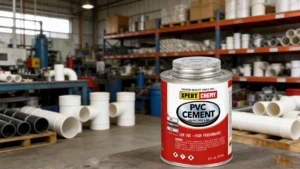
For buyers serving plumbing, hardware, and maintenance channels, XPERTCHEMY® PVC Solvent Cement 237ml is available for wholesale distribution. XPERTCHEMY supports ongoing replenishment planning so contractors are not forced to rely on uncertain old stock during difficult weather periods.
Bottom Line
PVC solvent cement can perform in cool or mildly damp environments when preparation and cure control are done correctly. In active-water or extreme-cold conditions, pause and adjust method before bonding. Good judgment before assembly is cheaper than repairs after testing.