Sample Markdown
This is some basicRoad tar and asphalt spots can stick to your paint like glue—especially around lower doors, rocker panels, and behind the wheels. If you scrub too hard or use the wrong chemicals, you risk dulling the finish or scratching the clearcoat. This guide walks you through a safe, effective process to remove tar from car paint while keeping your paintwork protected.
Why Tar Is So Hard to Remove
Tar is a petroleum-based contaminant designed to resist water. That’s why regular car shampoo often won’t touch it, and why aggressive rubbing usually makes things worse by grinding grit into the clearcoat.
What You’ll Need
- pH-neutral car wash soap and water
- Microfiber wash mitt and microfiber towels
- Dedicated tar remover (paint-safe)
- Nitrile gloves (optional)
- Optional: clay bar (only after chemical removal), wax/sealant for protection
Step-by-Step: Safely Remove Tar from Car Paint
Step 1: Wash the Area First
Rinse the panel thoroughly, then wash with car shampoo. This removes loose dirt that could cause scratches during tar removal.
Step 2: Work on a Cool Surface
Park in the shade and let the panel cool. Heat can make products evaporate too quickly and can increase the chance of streaking.
Step 3: Apply a Tar Remover (Don’t Scrub)
Spray your tar remover onto the tar spots (or onto a microfiber towel for more control). Let it dwell briefly so it can dissolve the tar—this is where the “work” should happen, not from heavy rubbing.
Step 4: Gently Wipe and Repeat if Needed
Wipe softly with a clean microfiber towel. For stubborn tar, repeat the application rather than applying more pressure.
Step 5: Rinse or Re-Wash
After the tar is gone, rinse the area well or do a quick wash to remove any remaining cleaner and dissolved residue.
Step 6: Protect the Paint
Tar removal can strip some surface protection. Apply wax or sealant to restore gloss and help reduce future tar bonding.
What NOT to Use on Car Paint (Common Mistakes)
- Abrasive pads or hard brushes (scratches clearcoat)
- Gasoline, harsh thinners, or unknown solvents (can damage modern finishes)
- Dry wiping (grinds dirt into paint)
Best Practice Tips (For a Professional Result)
- Use multiple microfiber towels and rotate to a clean side often.
- Start with the least aggressive method: chemical dissolving first, then gentle wiping.
- If you plan to clay the paint, only clay after the tar is chemically removed—claying tar can smear it.
Recommended Product for the Job
Xpertchemy® Tar & Sap Remover is designed to quickly remove sticky tar, bugs, sap, and stubborn grime that soap and water alone can’t remove, and it’s safe for all paint surfaces including clearcoats, modern finishes, chrome, and coated wheels when used as directed.
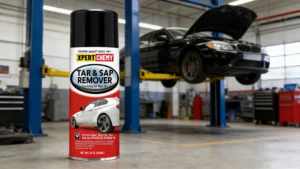
We offer XPERTCHEMY® Tar & Sap Remover 450ml for wholesale , ideal for auto detailing shops, car wash businesses, and distributors looking to stock a fast-acting tar and grease remover. If you’re sourcing in volume, contact us to buy XPERTCHEMY® Tar & Sap Remover 450ml in bulk wholesale for consistent supply and resale.
FAQ
Will tar remover damage clearcoat?
A paint-safe tar remover used as directed is the safest approach for clearcoats—avoid harsh solvents and abrasive scrubbing.
Can I remove tar without scratching my paint?
Yes. The key is washing first, using a chemical tar remover to dissolve the contamination, and wiping gently with clean microfiber towels.
Should I wax after removing tar?
Yes. Reapplying protection improves shine and helps make future tar removal easier., sample markdown.