Rust is one of the most common enemies of metal components. Whether it’s seized bolts, corroded hinges, or rusted machinery parts, oxidation can make maintenance difficult and even shorten equipment lifespan. Choosing the right lubricant for rust is essential—not just to loosen stuck parts, but also to protect metal surfaces from further corrosion.
Why Rusted Parts Need a Specialized Lubricant
Rust forms when iron or steel reacts with moisture and oxygen, creating a rough, flaky surface that increases friction. Ordinary oils often sit on top of rust without penetrating it, which limits their effectiveness. A good lubricant for rust must be able to creep into tight gaps, break down oxidation, and leave a protective film to slow future corrosion.
Common Types of Lubricants Used for Rust
Penetrating Oils
Penetrating oils are widely considered the best solution for rusted fasteners and joints. Their low viscosity allows them to seep into microscopic spaces between rusted threads, helping to loosen seized components.
Anti-Rust Lubricants
These products combine lubrication with corrosion inhibitors. In addition to freeing rusted parts, they form a barrier against moisture and air, reducing the chance of rust returning after maintenance.
Water-Displacing Sprays
Water-displacing lubricants help remove moisture from metal surfaces, which is useful for light rust or preventive maintenance. However, they may not be strong enough for heavily corroded parts.
Grease (Limited Use)
Grease is generally not suitable for removing rust, but it can be applied after rust removal to protect parts that operate under heavy loads or slow movement.
Key Features of the Best Lubricant for Rust
When selecting a lubricant for rusted metal, look for the following characteristics:
-
Strong penetration into rusted threads and joints
-
Ability to loosen seized parts without excessive force
-
Corrosion inhibitors to prevent future rust
-
Long-lasting lubrication and surface protection
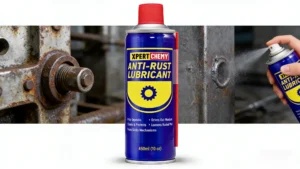
In industrial and maintenance applications, products that combine penetration, lubrication, and anti-corrosion performance tend to deliver the most reliable results. For bulk users and distributors, we also supply XPERTCHEMY® Anti-Rust Lubricant for wholesale, formulated to penetrate rusted components while providing long-term protection for metal surfaces in demanding environments.
How to Use Rust Lubricant Effectively
-
Remove loose rust and debris with a wire brush if possible.
-
Apply the lubricant generously to the rusted area.
-
Allow time for penetration—anywhere from a few minutes to several hours for severe rust.
-
Gently work the part back and forth to help break the rust bond.
-
Reapply if necessary and finish with a protective coating if the part will remain exposed.
Conclusion
The best lubricant for rust is one that goes beyond basic lubrication. Penetrating, anti-rust lubricants are the most effective choice for loosening seized parts and protecting metal from future corrosion. By selecting a product designed specifically for rusted surfaces and using it correctly, you can extend equipment life, reduce downtime, and make maintenance work significantly easier.