A gasket maker is a liquid or paste-type sealing compound used to create a reliable seal between two mating surfaces. Instead of relying on pre-cut gaskets made from rubber, cork, or paper, a gasket maker is applied directly to the surface, where it cures in place and forms a custom-fit seal.
Gasket makers are widely used in automotive, industrial, and mechanical applications where fluids, pressure, vibration, or temperature changes can cause leaks. Because the material conforms to surface imperfections, it often provides better sealing performance than traditional solid gaskets.
How Does a Gasket Maker Work?
Once applied, a gasket maker spreads to fill microscopic gaps and irregularities between metal or plastic parts. Depending on the formulation, it may cure through exposure to air (RTV silicone), moisture, or heat. After curing, it forms a flexible or semi-rigid barrier that resists oil, coolant, fuel, water, and other chemicals.
This curing process allows the seal to maintain its integrity even when components expand, contract, or vibrate during operation.
Common Types of Gasket Makers
Different applications require different gasket maker formulations:
-
RTV Silicone Gasket Makers
The most common type, known for flexibility and resistance to high temperatures. Frequently used in engine components such as valve covers, oil pans, and thermostat housings. -
Anaerobic Gasket Makers
Cure in the absence of air and are ideal for rigid metal flanges with tight tolerances, such as transmission housings or pump flanges. -
High-Temperature Gasket Makers
Designed to withstand extreme heat, often used in exhaust systems or turbocharged engines. -
Oil-Resistant Gasket Makers
Formulated specifically for environments with constant exposure to engine oil, fuel, or lubricants.
Where Are Gasket Makers Commonly Used?
Gasket makers are used across a wide range of industries and components, including:
-
Automotive engines and transmissions
-
Industrial pumps and compressors
-
Gearboxes and hydraulic systems
-
HVAC equipment
-
Agricultural and construction machinery
Their versatility makes them especially useful when pre-cut gaskets are unavailable or when a more precise seal is required.
Advantages of Using a Gasket Maker
Using a gasket maker offers several practical benefits:
-
Creates a custom-fit seal for irregular surfaces
-
Reduces the need for multiple gasket sizes in inventory
-
Improves resistance to vibration and thermal cycling
-
Helps prevent fluid leaks over long service intervals
-
Simplifies maintenance and repairs
In many cases, gasket makers can also be used alongside traditional gaskets to enhance sealing performance.
Choosing the Right Gasket Maker
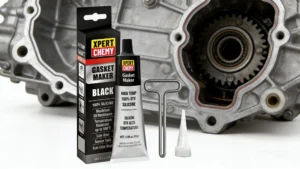
Selecting the correct gasket maker depends on operating temperature, chemical exposure, pressure, and material compatibility. For demanding applications where durability and consistent curing are critical, products like XPERTCHEMY® Ultra Series Gasket Maker are engineered to provide strong adhesion, reliable sealing, and long-term resistance in harsh working environments.
Final Thoughts
A gasket maker is an essential sealing solution for modern mechanical systems. By forming a precise, in-place gasket, it helps prevent leaks, reduce maintenance issues, and improve overall equipment reliability. When chosen and applied correctly, a high-quality gasket maker can outperform traditional gaskets in both performance and longevity.