
Silicone-based products are used in countless industries—from automotive and electronics to household repairs and industrial manufacturing. Among the many silicone options available, two terms frequently cause confusion: RTV silicone and regular silicone. While the differences may seem subtle, choosing the right type directly affects durability, adhesion, flexibility, and overall performance.
What Is RTV Silicone?
RTV (Room Temperature Vulcanizing) silicone is a specialized type of silicone that cures into a solid rubber-like material at room temperature. It typically comes in two forms:
-
RTV-1 (one-component): Cures with moisture in the air. Common in sealants and adhesives.
-
RTV-2 (two-component): Requires mixing two parts before use. Often used for mold-making, electronics potting, and industrial applications.
Key Features of RTV Silicone:
-
Cures at room temperature without heat
-
Excellent flexibility and tear resistance
-
Strong adhesion to metals, plastics, glass, ceramics
-
High heat tolerance (often up to 200–300°C)
-
Ideal for sealing, bonding, encapsulating, and molding
Because RTV silicone cures quickly and reliably, it has become the standard choice for gasket making, electronics sealing, waterproofing, and custom molds.
What Is Regular Silicone?
“Regular silicone” is a broader term and may refer to general-purpose silicone sealants, silicone caulks, silicone rubbers, or even non-curing silicone grease. These materials vary widely in composition and performance.
General-purpose silicone sealants and caulks, for example:
-
Are commonly used in bathrooms, kitchens, and window sealing
-
May require longer curing times
-
Often have weaker mechanical properties compared to RTV formulations
-
Usually focus on waterproofing rather than industrial performance
Key Differences Between RTV Silicone and Regular Silicone
| Feature | RTV Silicone | Regular Silicone |
|---|---|---|
| Curing process | Vulcanizes at room temperature, reliable and controlled | Varies; some cure slowly or unevenly |
| Strength & flexibility | High durability, rubber-like | Lower mechanical strength |
| Heat resistance | Excellent | Moderate |
| Industrial applications | Ideal for gaskets, electronics, molds, casting | More suited for household sealing/calking |
| Adhesion | Strong, multi-material adhesion | Generally weaker |
In short:
RTV silicone is engineered for performance, while regular silicone is designed for basic sealing needs.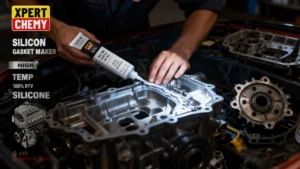
Which One Should You Choose?
Choose RTV silicone when you need:
-
High-temperature resistance
-
Strong adhesion
-
Fast curing
-
Precision casting or mold making
-
Electrical insulation and encapsulation
Choose regular silicone when:
-
Doing basic home sealing tasks
-
You don’t need high mechanical strength
-
Budget and simplicity are priorities
Where to Buy High-Quality RTV Silicone
If you’re sourcing RTV silicone for manufacturing, retail, or industrial applications, Xpertchemy offers wholesale supply of RTV Silicone in a wide range of grades, viscosities, and packaging options. Whether you need bulk quantities or specialized formulations, Xpertchemy can meet your production needs with stable quality and competitive pricing.